Cost & Insurance
LVP vs Tile vs Hardwood: Installed Cost per Square Foot in Northeast Florida

By Jimmie Wilson, owner of JW Painting & Pressure Washing & Epoxy Flooring
More than 30 years of hands-on painting and finishing experience
Published · Updated
- 5.0 on Google · 82 reviews
- Based in Jacksonville, FL 32254
- Where Precision Meets Perfection
Short answer
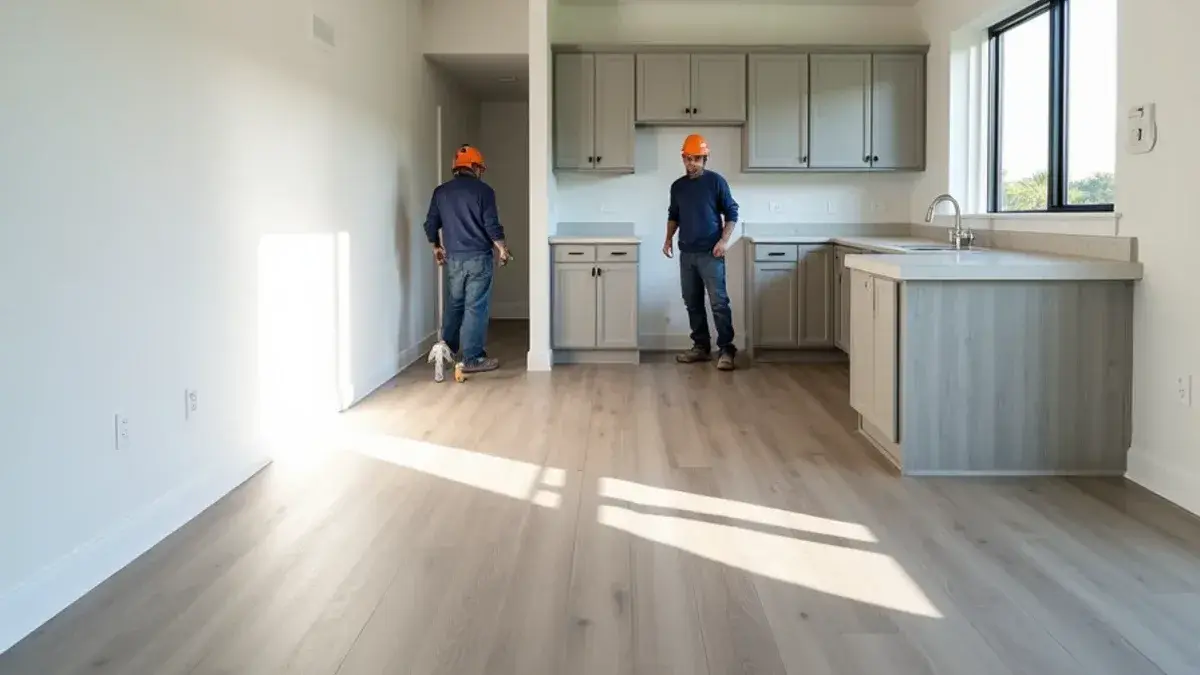
HomeGuide's 2026 guide puts installed LVP at $4 to $16 per square foot and tile at $10 to $50. Solid hardwood runs $11 to $25, and engineered wood $7 to $20. LVP is usually the lowest installed cost. On Northeast Florida slabs, moisture, leveling and tear-out move a quote as much as the material does.
Flooring prices online look simple until you get three quotes that are thousands of dollars apart. Most of that spread is not the material. It is what the crew has to do to the floor underneath before the new one goes down.
This guide sets out what national cost guides report for LVP, tile and hardwood, then explains what changes the number on a Northeast Florida slab. We do not publish our own prices here. These ranges come from the sources named.
What do national guides say each floor costs installed?
The table below pulls installed, per-square-foot ranges from three published cost guides. Each one includes materials and labor unless noted.
| Floor | HomeGuide (2026) | Forbes Home (2024) | This Old House (2026) |
|---|---|---|---|
| Luxury vinyl plank (LVP) | $4 to $16 installed | $4 to $13 with labor | $3 to $10 material plus $3 to $10 labor |
| Laminate | $4 to $14 installed | not covered | not covered |
| Ceramic tile | $12 to $40 installed | not covered | not covered |
| Porcelain tile | $15 to $50 installed | not covered | not covered |
| Engineered wood | $7 to $20 installed | not covered | not covered |
| Solid hardwood | $11 to $25 installed | not covered | not covered |
HomeGuide's February 2026 flooring guide puts the overall average at $4 to $15 per square foot, with labor at $2 to $8. Its tile guide lists tile labor alone at $8 to $20. Forbes Home lists vinyl plank labor at $2 to $7.
Read the ranges as a map, not a quote. The low end assumes a clean, flat floor and a basic product. The high end assumes premium material, a complex layout or both.
How the three floors compare on a 1,000 square foot job
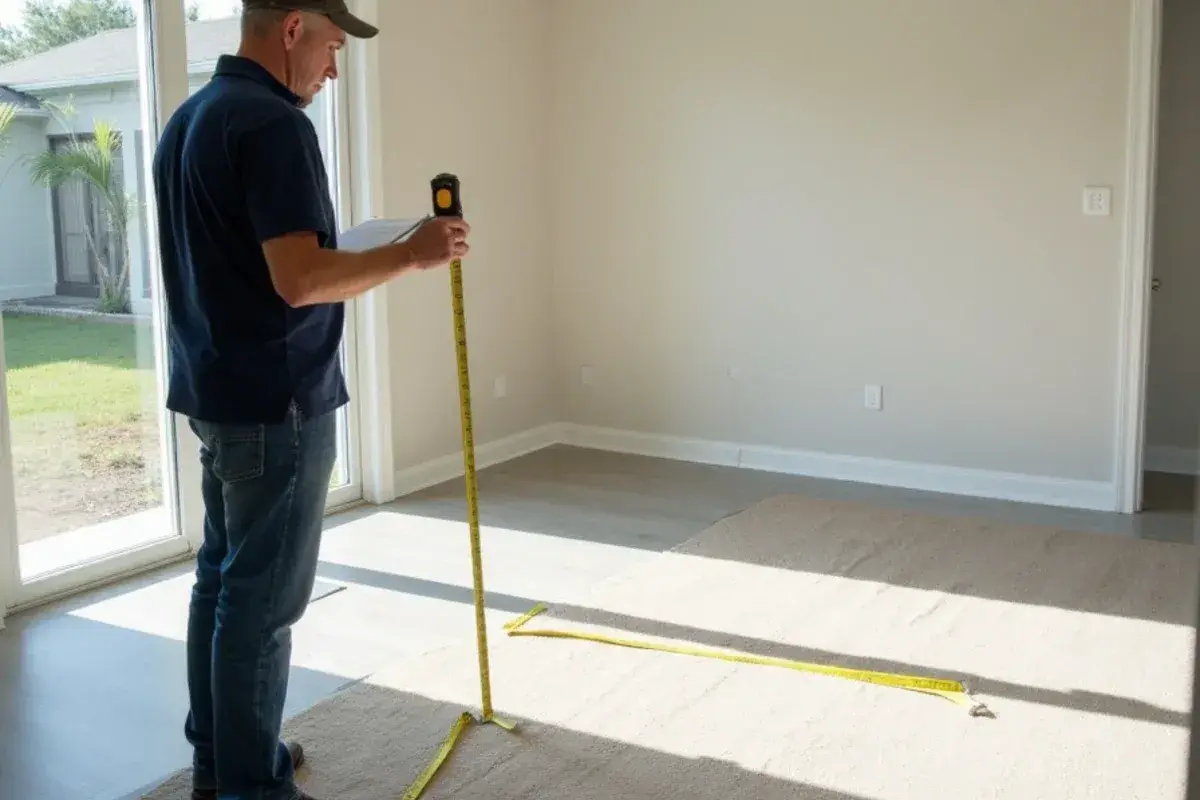
Multiplying HomeGuide's ranges across 1,000 square feet, about the size of a main living area plus a hall and kitchen, shows how far apart the options sit.
- LVP: about $4,000 to $16,000.
- Engineered wood: about $7,000 to $20,000.
- Solid hardwood: about $11,000 to $25,000.
- Tile: about $10,000 to $50,000, with ceramic and porcelain at the lower half.
LVP wins on installed cost almost every time. It clicks together, floats over the slab and needs no cure time. That is why luxury vinyl plank flooring is the budget default for whole-house replacements.
Tile costs more, but it buys something specific here. FEMA's Technical Bulletin 2 lists ceramic tile among flood damage-resistant flooring materials, and standard wood finish flooring is not on the list. In a flood-prone room, the higher price can make sense.
What changes the number on a Northeast Florida slab
Most homes in our area sit on concrete slabs. The slab decides more of the final price than most buyers expect.
Moisture. Florida slabs hold water, and floors fail when that water has nowhere to go. ASTM F2170 measures relative humidity inside the slab with in-situ probes. Floating LVP and laminate makers commonly require a moisture barrier, often 6-mil polyethylene, unless the pad includes one. A slab that tests high may need a moisture-control primer before tile or glue-down wood.
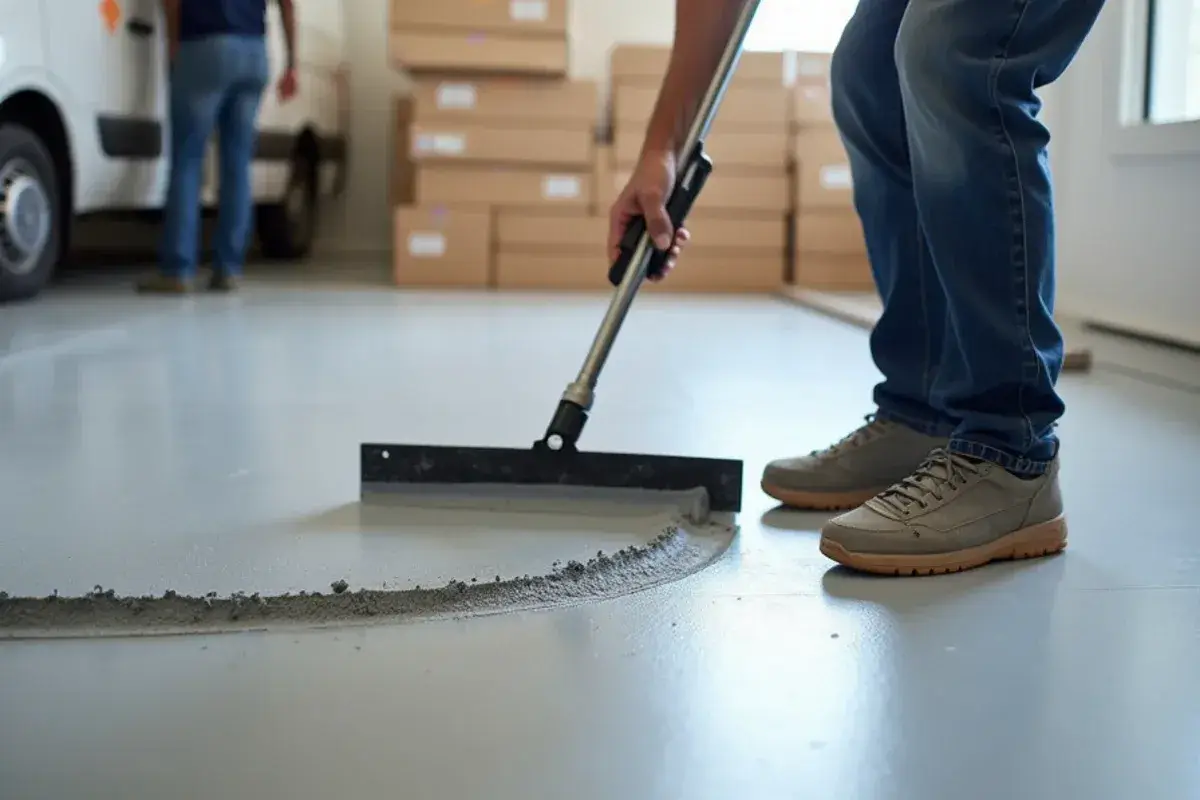
Flatness. Rigid planks and large tiles need a flat base. Low spots get filled with self-leveling compound and high spots get ground down. HomeGuide lists underlayment at $0.50 to $3.50 per square foot, and leveling adds labor on top.
Tear-out. HomeGuide puts carpet removal at $0.70 to $1.60 per square foot and tile removal at $2 to $7. Forbes Home puts general removal at $1 to $4. Tile glued to a slab is the slowest to remove.
Older materials. The EPA warns that older vinyl tile, sheet vinyl backing and some adhesives may contain asbestos. In older parts of Duval County, test before removal. HomeGuide lists asbestos removal at $4 to $15 per square foot when it is needed.
Layout. Open plans with few doorways go fastest. Many small rooms, closets and stairs add cuts and transitions.
Do permits or flood zones change the cost?
Usually not for the floor itself. Florida jurisdictions that adopt FBC–Residential R105.2 exempt tiling, carpeting and similar finish work from building permits, as determined by the building official. Finish flooring is generally exempt, but confirm with your local building department.
Flood zones are the exception. Substantial-improvement rules can apply when repairs follow flood damage, and separate electrical or plumbing permits may still be needed. If a remodel goes beyond flooring, ask the building department first.
Trade-offs we weigh on Jacksonville-area slabs
On our visits, the sequence is the same: measure, moisture-test the slab, then write the quote. The test result often decides the floor before price does.
LVP is forgiving on budget and fast to install, and it survives spills. Its weak spot is water that gets under it. A floating floor over a damp slab can trap moisture, so we put a barrier down and leave the expansion gap the maker specifies. It suits rentals and quick turnovers well.
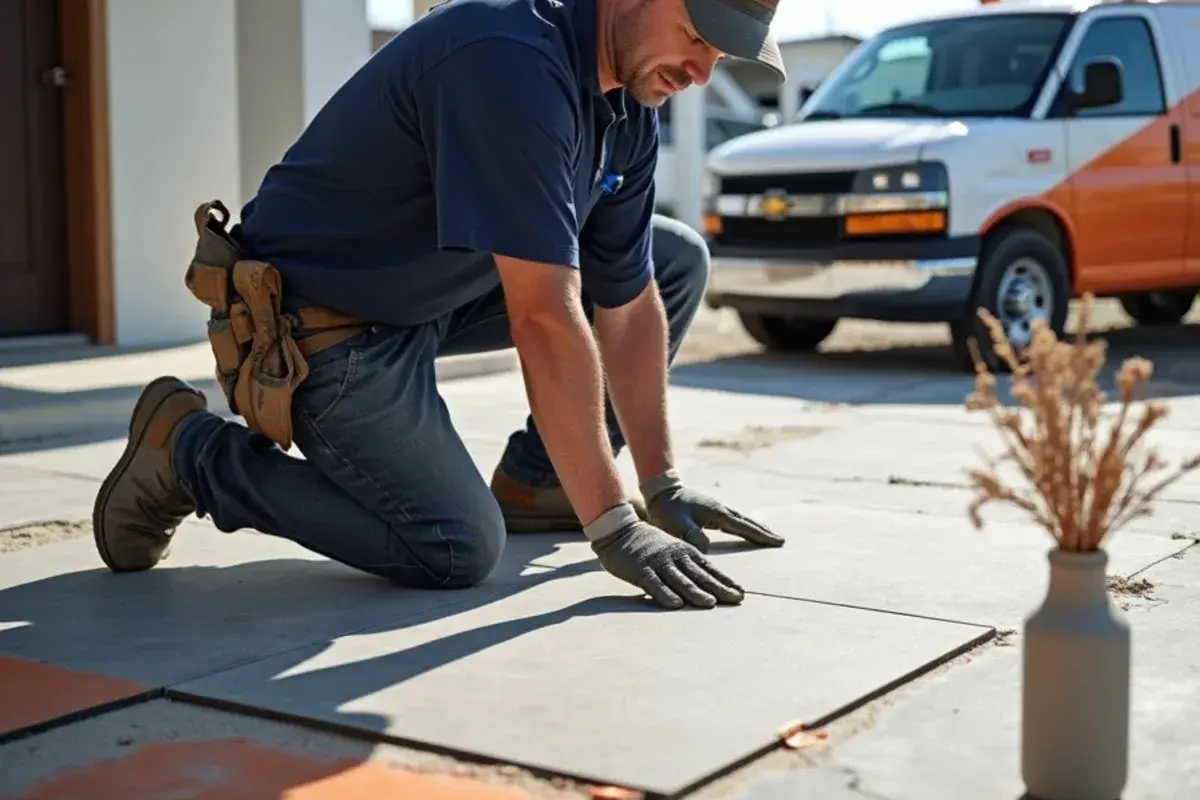
Tile costs more up front and takes longer, but it lasts and tolerates water. Over a slab, we set it on a crack-isolation or uncoupling membrane, because Florida slabs crack and move. TCNA Handbook EJ171 calls for movement joints at the perimeter and in the field, closer together where tile gets direct sun. Skipping them saves a little now and risks tented tile later. Our tile flooring installation page covers that build-up step by step.
Hardwood over a slab usually means engineered wood. NWFA guidelines call for moisture checks on both the wood and the slab, and acclimating the boards to the home. Engineered boards move less with humidity than solid ones. Solid hardwood belongs mostly in older raised homes with a wood subfloor.
New construction has its own math. St. Johns County grew from 273,425 people in the 2020 census to an estimated 348,336 in 2025, per Florida's Office of Economic and Demographic Research. Newer homes in St. Johns County usually sit on young, clean slabs that need less grinding and patching. When the slab tests dry, that tends to pull the per-square-foot cost toward the low end of the ranges.
How to compare flooring quotes line by line
Totals hide the differences. Ask each contractor to write these down.
Checklist
- Square footage measured, with waste factor stated
- Removal and disposal of the existing floor
- Moisture test method and what happens if the slab reads high
- Leveling or grinding, as a separate line
- Moisture barrier, underlayment or membrane, by product name
- Movement joints and transitions at doorways
- Baseboard removal and reinstall, or new trim
- Furniture and appliance moving
- Who orders the material, and how much overage is left with you
If one quote includes leveling, a barrier and tear-out and another does not, you are comparing two different jobs. Our flooring installation page shows the steps in the order we do them.
Frequently asked questions
Is LVP really cheaper than tile once it is installed?
Yes, in most homes. National guides put installed LVP well below ceramic or porcelain tile because planks click together quickly, while tile needs mortar, grout, layout and cure time. The gap narrows if the slab needs heavy leveling, since both floors need a flat base. On our quotes, prep is listed as its own line so you can see it.
Why does tile labor cost so much more than LVP labor?
Tile is slow, skilled work. HomeGuide lists tile labor at $8 to $20 per square foot, against $2 to $8 for flooring labor in general. The setter mixes mortar, back-butters large tiles, checks coverage, cuts around every jamb and comes back to grout. Movement joints required by TCNA Handbook EJ171 add careful detail at walls and doorways.
Does removing the old floor add much to the cost?
Yes, it can, especially for tile. HomeGuide puts carpet removal at $0.70 to $1.60 per square foot and tile removal at $2 to $7. Older homes add one more step: the EPA advises testing old vinyl tile, sheet backing and black adhesive for asbestos before anyone scrapes or grinds it, and abatement is priced separately.
Can hardwood go over a Florida concrete slab?
Yes, usually as engineered wood glued down or floated over a moisture barrier. Solid strip flooring is normally nailed to a wood subfloor, which most slab homes do not have. NWFA guidelines call for testing the slab and the wood for moisture first. Engineered boards move less with humidity, which suits a home that sees humid summers and dry winters.
The bottom line
National guides put installed LVP at roughly $4 to $16 per square foot, tile at $10 to $50 and solid hardwood at $11 to $25, with engineered wood between. LVP is the budget leader, tile is the flood-tolerant choice and engineered wood is the practical way to get real wood over a slab. Your slab's moisture, flatness and old flooring decide where in those ranges your job lands.
For a number based on your own floor, call (904) 533-7260. We measure, test the slab and put the full scope and price in writing.
Related
Services and areas from this article
Flooring Installation
LVP, tile, hardwood, laminate and epoxy laid over a tested, level slab or subfloor.
Learn moreLuxury Vinyl Plank Flooring
Rigid-core plank floated over a tested slab, with barrier, expansion space and sealed wet edges.
Learn moreTile Flooring Installation
Porcelain and ceramic set over membranes, with movement joints that keep tile from tenting.
Learn moreTalk to a Jacksonville floor crew
Questions about your own floor after reading this? Call (904) 533-7260 and describe what you're seeing.
JW Painting & Pressure Washing & Epoxy Flooring · Jacksonville, FL 32254 · (904) 533-7260
Mon–Sat 7am–8pm · Sun closed