Prevention
Pre-Hurricane Floor Checklist: Protect LVP, Tile and Hardwood Before the Storm

By Jimmie Wilson, owner of JW Painting & Pressure Washing & Epoxy Flooring
More than 30 years of hands-on painting and finishing experience
Published · Updated
- 5.0 on Google · 82 reviews
- Based in Jacksonville, FL 32254
- Where Precision Meets Perfection
Short answer
You cannot make a floor storm-proof, but you can limit the damage and prove what you had. Film every room for your insurer, save the flooring labels and spare boxes up high, lift furniture and rugs off the floor, and block thresholds. Wood floors are the most exposed, so plan to dry them fast.
When a storm cone covers Northeast Florida, the to-do list fills up fast: water, gas, shutters, the car. Floors rarely make the list, yet they are one of the largest repair bills after water gets inside. You cannot keep a surge out of a house with tape, but a few hours of prep can limit the damage and make the claim far easier to prove.
The Atlantic season runs from June 1 to November 30, and late storms do reach this coast. Hurricane Nicole made its Florida landfall on November 10, 2022, and the onshore wind that came with it caused severe beach erosion in St. Johns County. Treat this checklist as something to run every time a storm is forecast, not once in June.
Which floors in your house are most at risk?
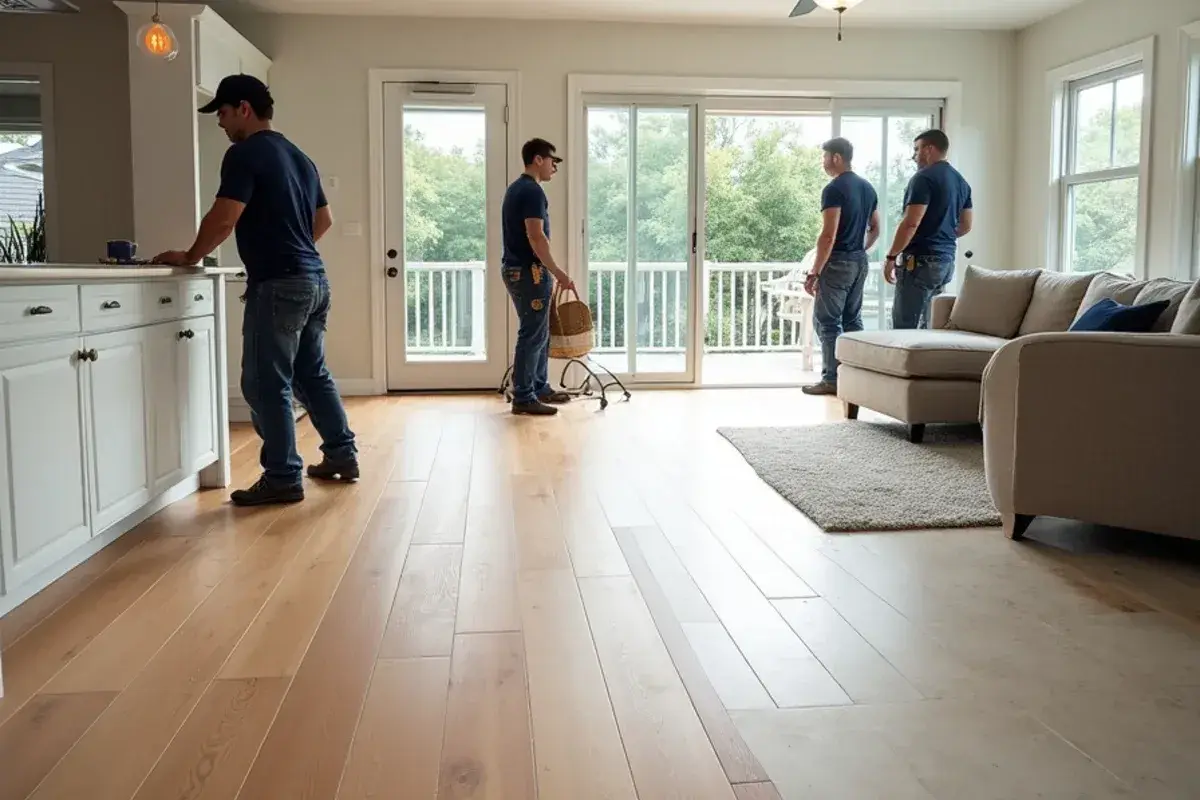
Start by knowing what you have, because each floor fails differently. FEMA's flood-resistant materials guidance lists ceramic tile, vinyl and concrete as flood damage-resistant, while standard wood finish flooring is not. That tells you where to spend your limited prep time.
| Floor | What water does to it | Where prep pays off |
|---|---|---|
| Solid or engineered hardwood | Swells, cups and can stain; often has to come out after a long soak | Lift rugs and furniture, plan fast drying |
| Floating LVP or laminate | Vinyl planks shrug off water, but water trapped on the slab underneath will not dry on its own | Thresholds, photos, spare boxes |
| Laminate (wood-fiber core) | The core swells at the edges and rarely recovers | Treat it like wood |
| Tile on a slab | The tile survives, but grout gets dirty and loose tiles can lift | Photograph hollow or cracked tiles now |
| Carpet | Floodwater soaks the pad, and soaked pad is hard to save | Roll up area rugs; nothing else to do |
Photograph your floors before the wind picks up
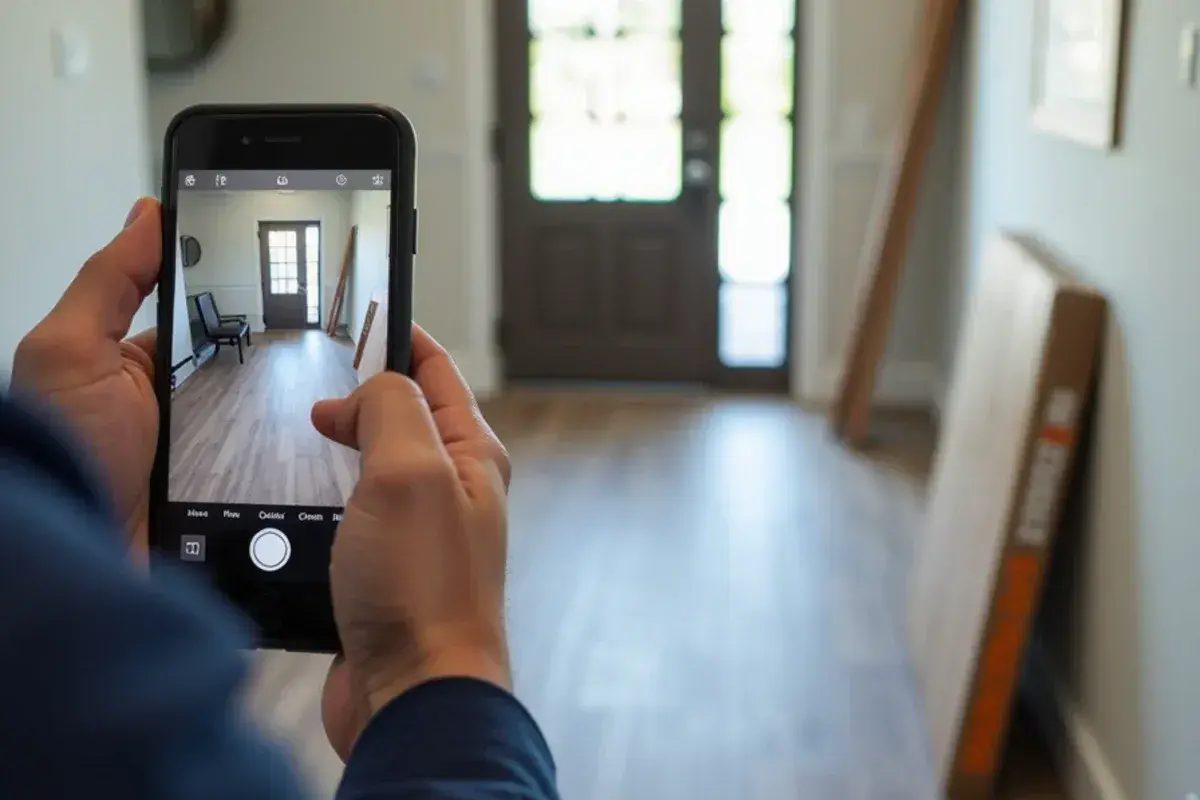
Florida's Department of Financial Services puts a home inventory near the top of its pre-storm list: photos and video of the inside and outside of the house. Earlier department guidance suggested narrating the walk-through on a smartphone and emailing the file to yourself, so it survives if the phone does not.
For floors, the inventory needs a little more than a quick pan across the room. Film each room at floor level, then stand up and show how far the flooring runs. Say what it is out loud: "engineered oak, installed about six years ago, runs through the hall into both bedrooms." Show any cracked tile, a soft spot or a lifted plank, because a claim can turn on whether damage was there before the storm.
Then photograph the paperwork:
- The receipt or invoice for the floor, if you still have it.
- A carton label showing the brand, product name, color and lot number.
- Any moisture barrier or underlayment roll still in the garage.
- Your policy declarations page, so you know what is covered before you need it.
That last step matters for floors in particular. FEMA notes that most homeowners policies do not cover flood damage, which is sold as a separate policy for the building, its contents or both. Knowing which policy applies to rising water and which applies to wind-driven rain helps you talk to the right adjuster later.
The 72-hour floor checklist
Run through this once the storm is two or three days out. None of it takes special tools.
Checklist
- Film every room's floor, including closets, and email the video to yourself
- Photograph flooring labels, receipts and your policy declarations page
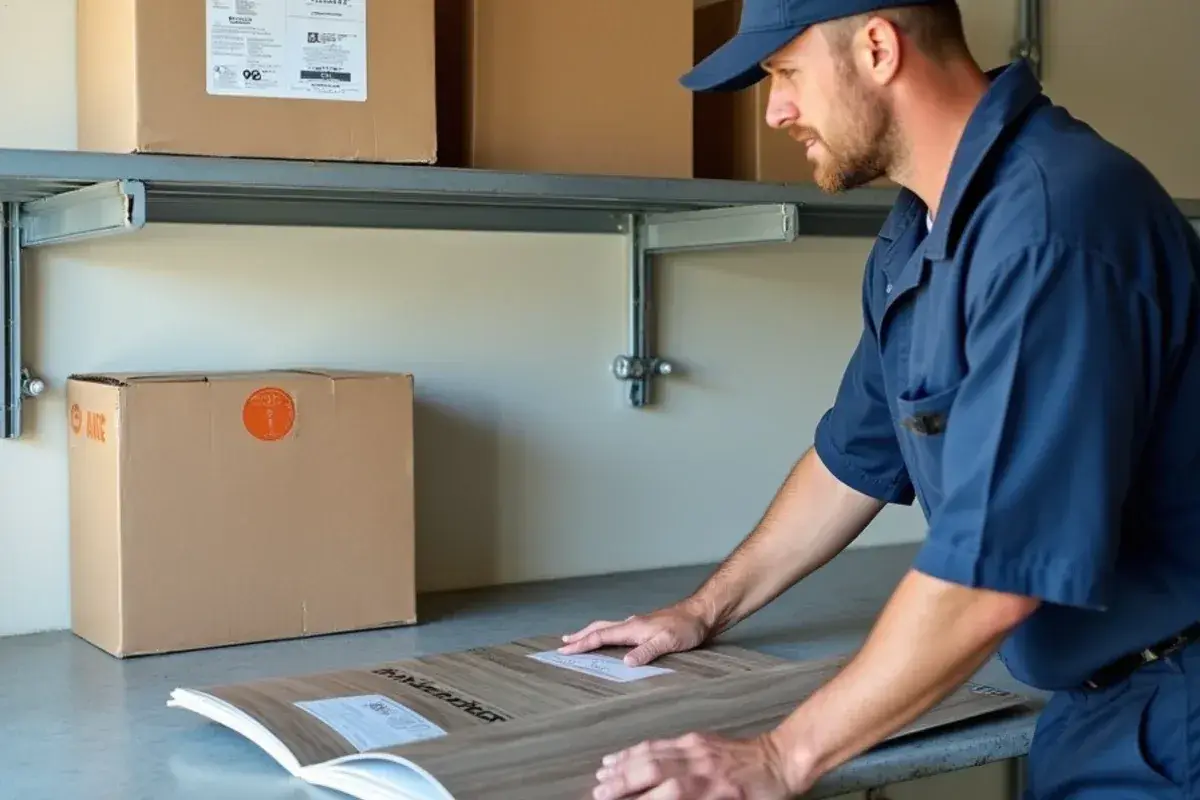
- Move spare flooring boxes and attic stock to a high shelf, labels facing out
- Roll up area rugs and set them on beds, tables or upstairs
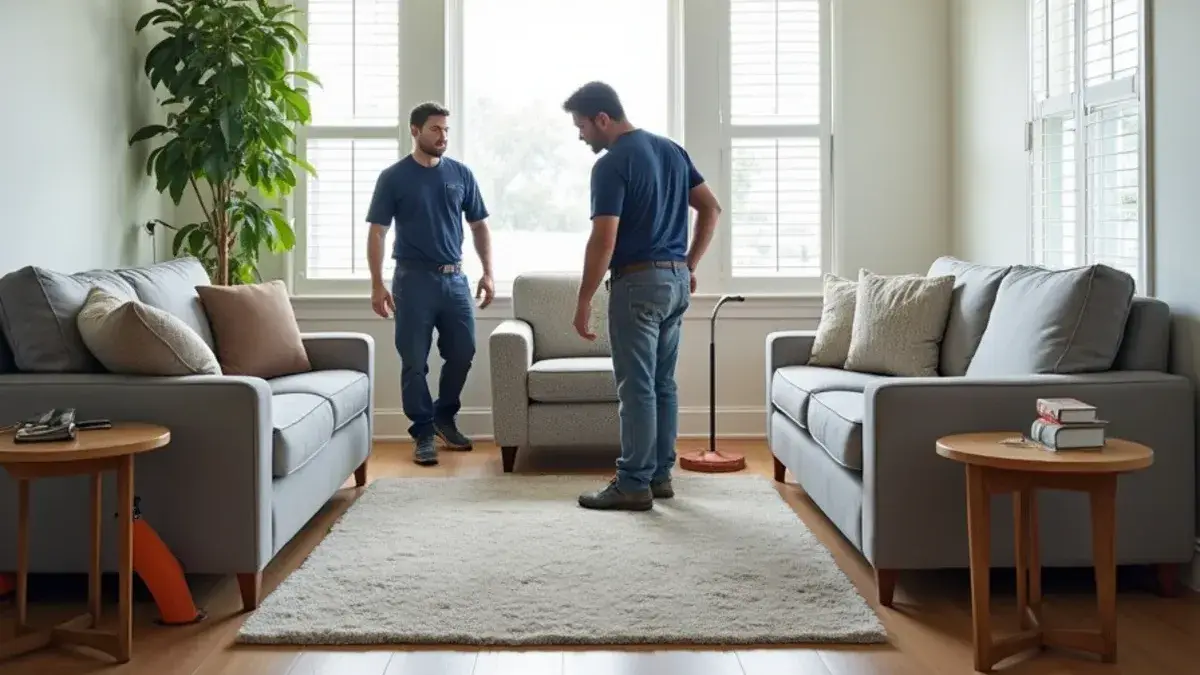
- Raise sofas, dressers and beds on furniture blocks or move them to a higher floor
- Lift anything with metal feet off tile and grout, since wet steel leaves rust marks
- Clear gutters and downspouts and bring in patio furniture, as Ready.gov advises
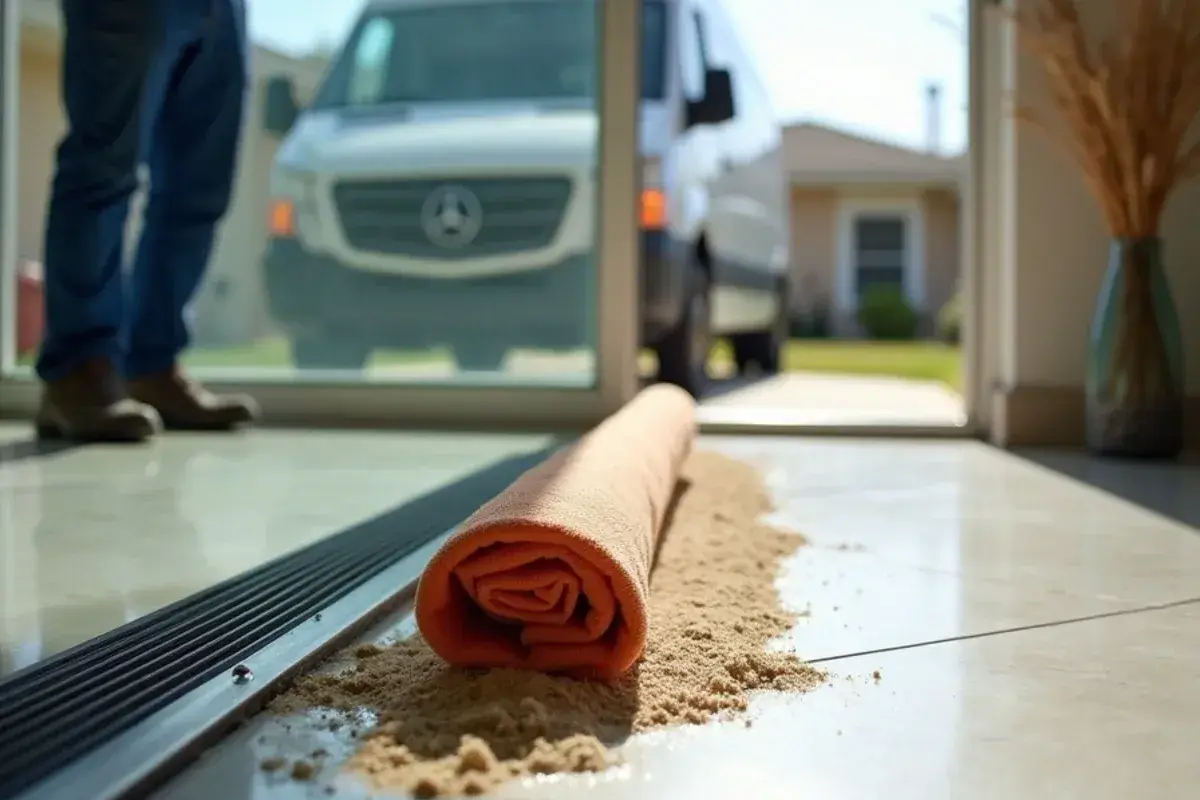
- Lay rolled towels along sliding door tracks and exterior thresholds
- Unplug floor-level electronics and lift power strips and cords off the floor
- Know where the main breaker is; Ready.gov says shut it off only if it is safe and you are not standing in water
Raising furniture is not only about saving the sofa. Particleboard bases soak up water and swell, and stained wood or metal feet can mark a floor even when the floor itself would have been fine. Getting furniture up also means the crew can lift a wet floating floor quickly after the storm, without moving heavy pieces first.
How do you protect LVP, tile and hardwood specifically?
Luxury vinyl plank. Most floating vinyl floors are installed over a moisture barrier on the slab, with a gap at the walls hidden by baseboard. Water that gets in tends to slip through that gap and spread under the planks. The planks may come through fine, but the slab underneath stays wet until the floor is lifted. Before the storm, the best defense is at the doors: sliders, garage entries and any threshold that faces the weather. After it, our page on luxury vinyl plank flooring explains how planks are lifted, the slab is tested and good boards are reused.
Tile. FEMA treats ceramic tile set in thin-set on a slab with cement grout as a flood damage-resistant assembly. Even so, tiles can de-bond, especially where movement joints were left out. Tap each tile with a screwdriver handle now and note any hollow-sounding tiles on the video. Those are the ones most likely to lift once the slab gets wet and dries again.
Hardwood and wood-core laminate. These are the floors to worry about. The National Wood Flooring Association asks installers to check wood and subfloor moisture before installing, because wood moves with humidity. A house closed up without air conditioning can climb past the EPA's advice to keep indoor humidity below 60 percent. You cannot prevent that before the storm. You can clear the floor so drying equipment and air can reach it quickly afterward.
If a floor does come out after the storm, the replacement deserves the same care as any new job. A proper flooring installation starts with a moisture reading on the slab, not a date on the calendar.
What we see in the field on beach-town storm repairs
The beach communities south of the city sit low. Vilano Beach, on the southern tip of San Pablo Island by the St. Augustine Inlet, has an elevation of about 3 feet. In Vilano Beach, a moderate surge or a blocked storm drain can push water across a threshold that stays dry most of the year.
St. Augustine Beach sits a little higher, at about 10 feet, with the Atlantic on one side and A1A along its western edge. Here the floor problems we hear about are more often wind-driven rain at sliders and sand tracked across tile, rather than deep flooding.
A few honest trade-offs come up every season:
- You cannot flood-proof a floating floor. Towels and door barriers slow wind-driven rain. They do not stop rising water, so do not count on them.
- Plastic over wood is a trap. It looks protective, but it holds any water that reaches it against the finish.
- Tile is not the end of the story. The tile survives, but grout and the slab still need to dry. Gray water also leaves grout that may need cleaning or replacing.
- Speed beats perfection afterward. The EPA says water-damaged areas should be dried within 24 to 48 hours to prevent mold. The most useful thing you can do before the storm is make the floor easy to reach later.
When water does get in, the water-damaged floor replacement process starts with what you documented: what the floor was, how far it ran and what was already wrong with it.
Frequently asked questions
Should I tape plastic sheeting over my hardwood floors before a hurricane?
No, not as flood protection. Rising water gets under the edges, and plastic then holds it against the finish while the house sits without power. Use the time to lift rugs and furniture instead, and keep the plastic for covering electronics or boxes. On older beach homes with solid wood, a fast drying plan after the storm does far more than sheeting.
Is it worth buying flood insurance once a storm is in the forecast?
No, not for that storm in most cases. FEMA says a new NFIP policy typically has a 30-day waiting period before it takes effect, with exceptions such as a lender requiring the coverage at closing. Buy it early in the season, which starts June 1, so the policy is active by the time the busy weeks arrive.
Will photos from before the storm help my flooring claim?
Yes, they usually help a great deal. Florida's Department of Financial Services lists a photo and video home inventory as a before-the-storm task. Clear footage of each floor shows the adjuster its condition, type and extent, which matters when a claim depends on whether a crack or a hollow tile was already there.
Do I need to keep leftover flooring boxes?
Yes, keep at least one box and the labels if you can. Product names, colors and lot numbers change, and a matched repair is much easier when the installer can read the original carton. Store spares on a high garage shelf or in a closet, not on the slab, so the water you are worried about does not reach them.
Before the next storm
The prep that protects floors before a hurricane is mostly about evidence and access. Film every floor and save the labels. Get furniture, rugs and spare boxes up high, and guard the doors that face the weather. Wood is the floor most likely to come out after a long soak, so plan for fast drying. Tile and vinyl usually survive, but the slab under them still has to be tested.
After the storm, the Department of Financial Services advises documenting any emergency repairs and checking a contractor's license before you sign. If water reached your floors, call (904) 533-7260. We test the slab or subfloor, explain what can be saved and give you the plan in writing.
Talk to a Jacksonville floor crew
Questions about your own floor after reading this? Call (904) 533-7260 and describe what you're seeing.
JW Painting & Pressure Washing & Epoxy Flooring · Jacksonville, FL 32254 · (904) 533-7260
Mon–Sat 7am–8pm · Sun closed